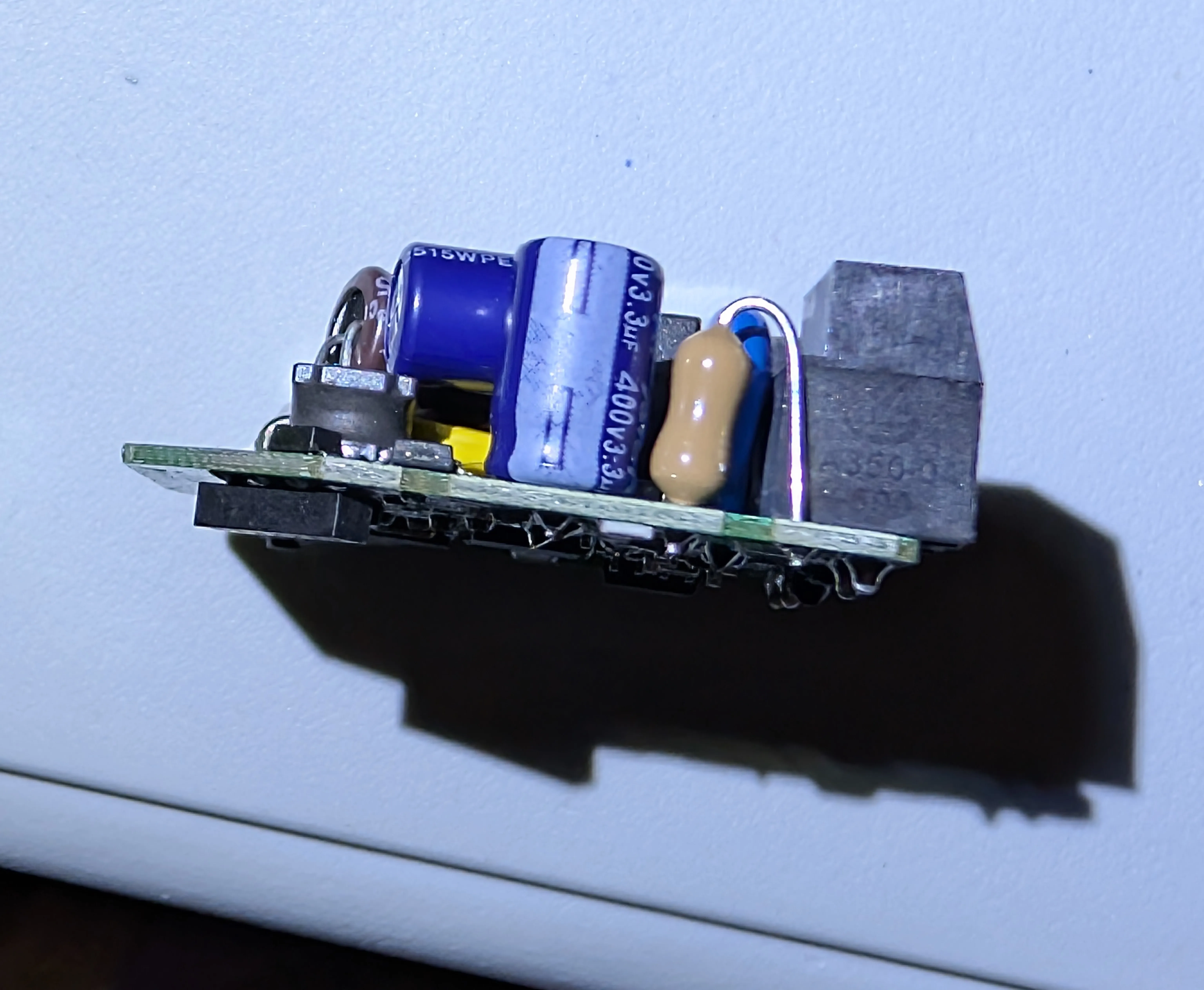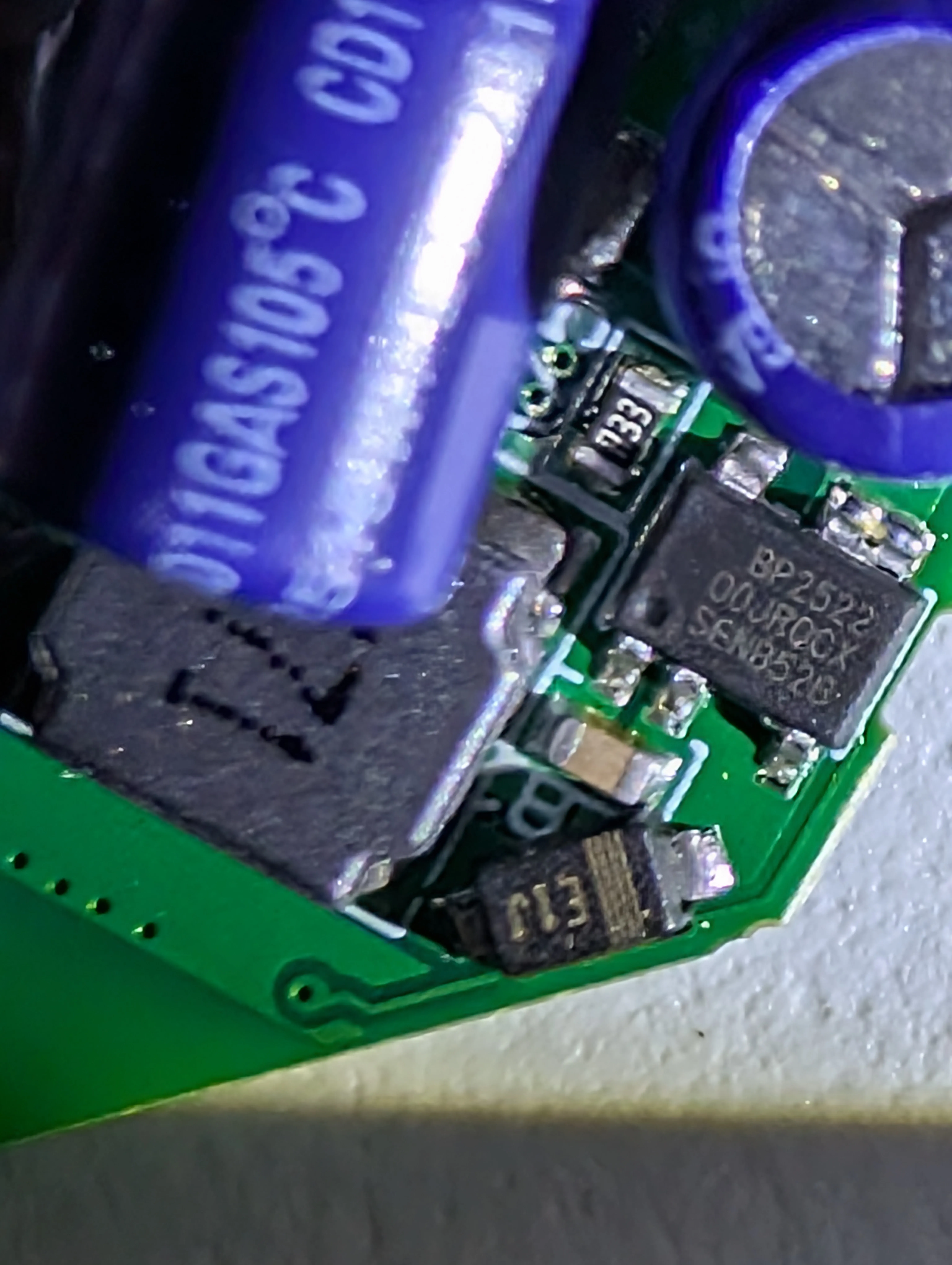
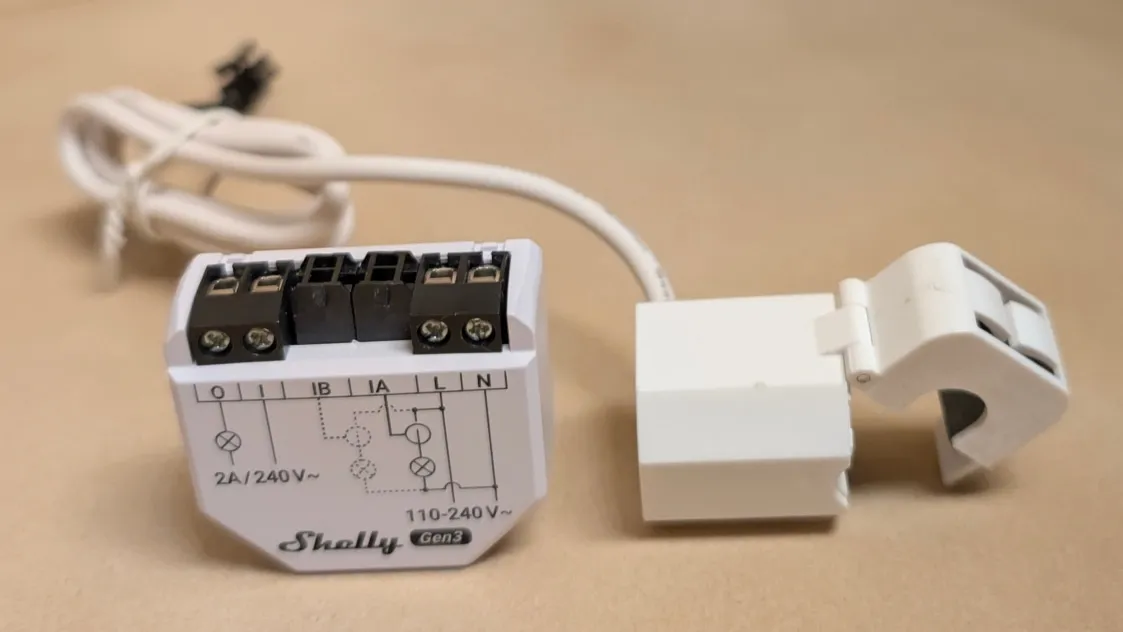
Shelly EM Gen3
Device Type:
Electrical Standard:
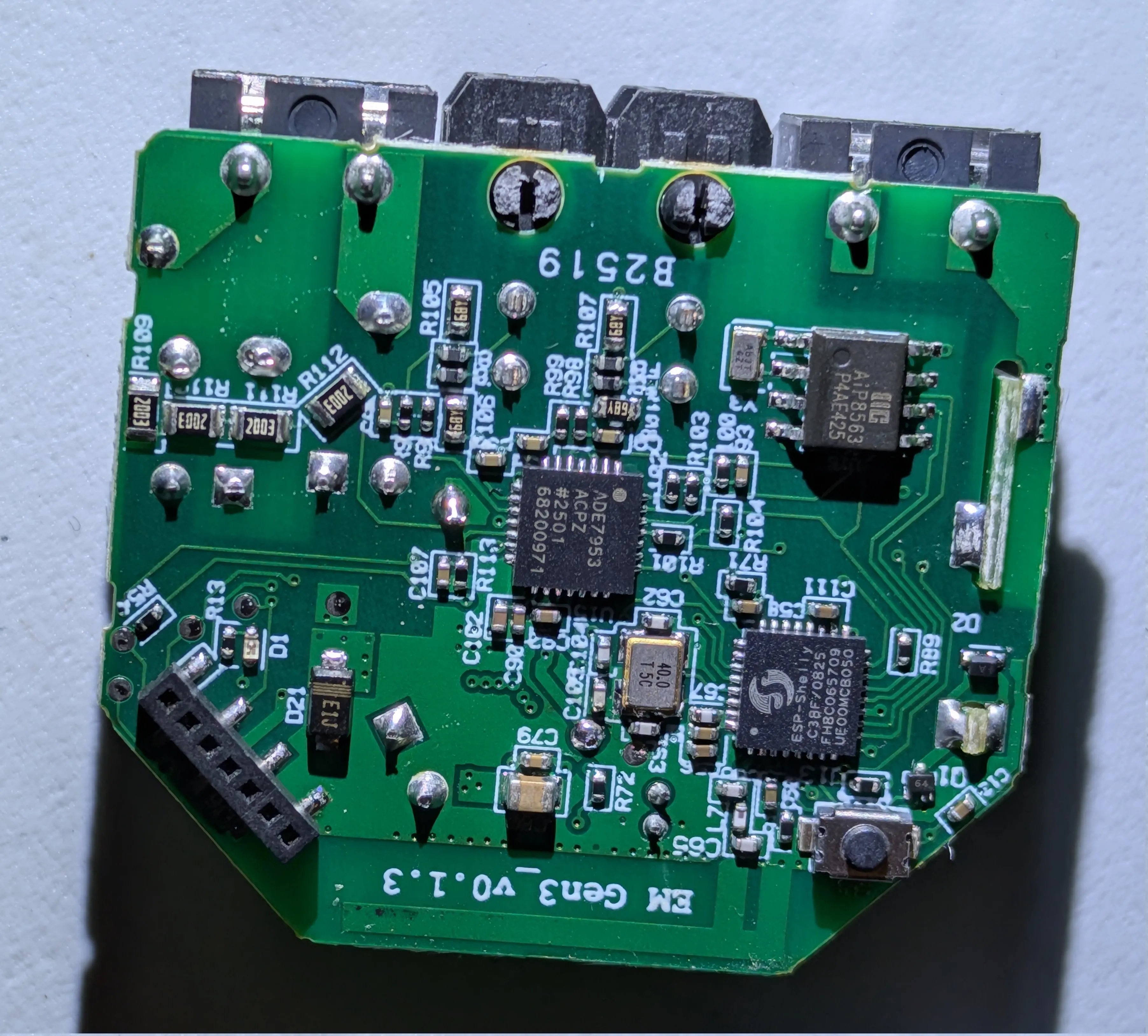
Board:
Difficulty:Plug-n-flash (2/5)
GPIO Pinout
| Pin | Function |
|---|---|
| GPIO0 | Relay |
| GPIO1 | Button |
| GPIO3 | ADC for NTC temperature sensor |
| GPIO4 | ADE7953 IRQ pin (active low) |
| GPIO5 | ADE7953 RESET pin (active low) |
| GPIO6 | I2C SCL |
| GPIO7 | I2C SDA |
| GPIO9 | Status LED |
| GPIO18 | Pin 1 of 7-pin header |
| GPIO20 | UART receive (U0RXD) |
| GPIO21 | UART transmit (U0TXD) |
I2C Devices
| Address | Function |
|---|---|
| 0x38 | ADE7953 power sensor |
| 0x51 | AiP8563 RTC (not currently supported by ESPHome) |
Quick start / Example config
Note that you should set AP & OTA passwords before using any ESPHome device in production.
Minimal (hardware definitions only)
# Shelly EM Gen3 - Minimal (Hardware definitions only)# Model number: S3EM-002CXCEU50# PCB markings: "EM Gen3_v0.1.3", "B2519"# SoC: ESP-Shelly-C38F (similar to ESP32-C3)# CPU: ESP32-C3 (QFN32) (revision v0.4)# Features: Wi-Fi, BT 5 (LE), Single Core, 160MHz, Embedded Flash 8MB (GD)# Crystal frequency:  40MHz# References:# - https://devices.esphome.io/devices/shelly-em-gen3/# - https://community.home-assistant.io/t/shelly-em-gen3-solved/944171# - https://kb.shelly.cloud/knowledge-base/shelly-em-gen3## GPIOs:#   GPIO0 - Dry-contact relay (normally open)#   GPIO1 - Pushbutton#   GPIO3 - ADC for NTC temperature sensor#   GPIO4 - ADE7953 IRQ pin (active low)#   GPIO5 - ADE7953 RESET pin (active low)#   GPIO6 - I2C SCL#   GPIO7 - I2C SDA#   GPIO9 - Status LED (active low)#   GPIO18 - Pin 1 of 7-pin header#   GPIO20 - UART receive (U0RXD)#   GPIO21 - UART transmit (U0TXD)## I2C devices:#  0x38 - ADE7953 Power Sensor#  0x51 - AiP8563 Battery-backed real-time clock (not currently supported by ESPHome)
substitutions:  # How often to update the power meter.  update_interval: 20s
  # Calibrated on US-style 120V power with 50A current transformers.  # You may need to calibrate this yourself if the numbers are inaccurate.  calibration_voltage_gain: 0x32c78f  calibration_current_gain_a: 0x490bb5  calibration_current_gain_b: 0x498c15
esphome:  name: "shelly-em-gen3"  friendly_name: "Shelly EM Gen3"  comment: "Shelly EM Gen3 - Smart wifi and bluetooth energy meter with dual current transformers"  name_add_mac_suffix: true  min_version: 2025.11.3    # for ade7953 bugfix #12180
esp32:  variant: esp32c3  flash_size: 8MB  framework:    type: esp-idf
# Enable logginglogger:  level: DEBUG  hardware_uart: uart0
# debug:
# Enable Home Assistant API with dynamic keyapi:  encryption:
ota:  - platform: esphome    id: ota_id    # password: !secret ota_password
wifi:  ssid: !secret wifi_ssid  password: !secret wifi_password
i2c:  scl: GPIO6  sda: GPIO7  scan: true
light:  - platform: status_led    name: "Status LED"    id: status_led_id    disabled_by_default: true    entity_category: diagnostic    pin:      number: GPIO9      inverted: true      ignore_strapping_warning: true
switch:  # Dry-contact relay - normally open  - platform: gpio    name: Relay    id: relay_id    pin: GPIO0
sensor:  - platform: ntc    id: ntc_temperature    name: "NTC Temperature"    entity_category: diagnostic    unit_of_measurement: "°C"    accuracy_decimals: 1    icon: "mdi:thermometer"    sensor: temp_resistance_reading    calibration:      b_constant: 3350      reference_resistance: 10kOhm      reference_temperature: 298.15K  - platform: resistance    id: temp_resistance_reading    sensor: temp_analog_reading    configuration: DOWNSTREAM    resistor: 10kOhm  - platform: adc    id: temp_analog_reading    pin: GPIO3    attenuation: 12db
  # Note that on the Shelly EM Gen3, channels "A" and "B" are swapped between the chipset and the labels on the device.  # The nIRQ pin of the ade7953 device seems to be connected to pin 9 (GPIO4)  # of the ESP-Shelly-C38F.  - platform: ade7953_i2c    id: ade7953_id    irq_pin: GPIO4    update_interval: ${update_interval}    use_accumulated_energy_registers: true
    voltage_gain: ${calibration_voltage_gain}    current_gain_a: ${calibration_current_gain_a}    current_gain_b: ${calibration_current_gain_b}
    voltage:      id: line_voltage      name: Voltage    frequency:      id: line_frequency      name: Frequency    current_b:      id: current_a      name: "Current A"      accuracy_decimals: 3    current_a:      id: current_b      name: Current B      accuracy_decimals: 3    power_factor_b:      id: power_factor_a      name: "Power Factor A"      filters:        - multiply: -1    power_factor_a:      id: power_factor_b      name: "Power Factor B"      filters:        - multiply: -1    apparent_power_b:      id: apparent_power_a      name: "Apparent Power A"    apparent_power_a:      id: apparent_power_b      name: "Apparent Power B"    active_power_b:      id: active_power_a      name: "Power A"    active_power_a:      id: active_power_b      name: "Power B"    reactive_power_b:      id: reactive_power_a      name: "Reactive Power A"      filters:        - multiply: -1    reactive_power_a:      id: reactive_power_b      name: "Reactive Power B"      filters:        - multiply: -1
binary_sensor:  - platform: gpio    id: shelly_button_id    name: "Button"    entity_category: diagnostic    pin:      number: GPIO1      inverted: true      mode:        input: true        pullup: true    filters:      - settle: 10ms
  - platform: gpio    id: binary_sensor_header_gpio_id    name: "Header GPIO"    entity_category: diagnostic    disabled_by_default: true    pin:      number: GPIO18      inverted: true      mode:        input: true        pullup: true
Full example (includes energy monitoring)
# Shelly EM Gen3# Model number: S3EM-002CXCEU50# PCB markings: "EM Gen3_v0.1.3", "B2519"# SoC: ESP-Shelly-C38F (similar to ESP32-C3)# CPU: ESP32-C3 (QFN32) (revision v0.4)# Features: Wi-Fi, BT 5 (LE), Single Core, 160MHz, Embedded Flash 8MB (GD)# Crystal frequency:  40MHz# References:# - https://devices.esphome.io/devices/shelly-em-gen3/# - https://community.home-assistant.io/t/shelly-em-gen3-solved/944171# - https://kb.shelly.cloud/knowledge-base/shelly-em-gen3## GPIOs:#   GPIO0 - Dry-contact relay (normally open)#   GPIO1 - Pushbutton#   GPIO3 - ADC for NTC temperature sensor#   GPIO4 - ADE7953 IRQ pin (active low)#   GPIO5 - ADE7953 RESET pin (active low)#   GPIO6 - I2C SCL#   GPIO7 - I2C SDA#   GPIO9 - Status LED (active low)#   GPIO18 - Pin 1 of 7-pin header#   GPIO20 - UART receive (U0RXD)#   GPIO21 - UART transmit (U0TXD)## I2C devices:#  0x38 - ADE7953 Power Sensor#  0x51 - AiP8563 Battery-backed real-time clock (not currently supported by ESPHome)
substitutions:  # Set dual_sensors to false to remove the "B" and "Total" sensors  dual_sensors: true
  # How often to update the power meter.  update_interval: 20s
  # Calibrated on US-style 120V power with 50A current transformers.  # You may need to calibrate this yourself if the numbers are inaccurate.  calibration_voltage_gain: 0x32c78f  calibration_current_gain_a: 0x490bb5  calibration_current_gain_b: 0x498c15
esphome:  name: "shelly-em-gen3"  friendly_name: "Shelly EM Gen3"  comment: "Shelly EM Gen3 - Smart wifi and bluetooth energy meter with dual current transformers"  name_add_mac_suffix: true  min_version: 2025.11.3    # for ade7953 bugfix #12180
esp32:  variant: esp32c3  flash_size: 8MB  framework:    type: esp-idf
# Enable logginglogger:  level: DEBUG  hardware_uart: uart0
# debug:
# Enable Home Assistant API with dynamic keyapi:  encryption:
ota:  - platform: esphome    id: ota_id    # password: !secret ota_password
wifi:  ssid: !secret wifi_ssid  password: !secret wifi_password  # fast_connect: true  enable_btm: true  enable_rrm: true  min_auth_mode: WPA2
  # Enable fallback hotspot (captive portal) in case wifi connection fails  ap:    # password: !secret ap_password
captive_portal:
network:  enable_ipv6: true
preferences:  flash_write_interval: 5min
safe_mode:  reboot_timeout: 10min
factory_reset:  resets_required: 10  max_delay: 10s  on_increment:    - logger.log:        format: "(factory_reset) Fast power cycle count now %u, target %u"        args: [x, target]
time:  - platform: homeassistant    id: homeassistant_time
button:  - platform: factory_reset    id: button_factory_reset    name: Factory reset    disabled_by_default: true
  - platform: restart    id: button_restart    name: Restart
  - platform: safe_mode    id: button_safe_mode    name: Safe Mode Boot
i2c:  scl: GPIO6  sda: GPIO7  scan: true
esp32_ble_tracker:  scan_parameters:    active: false
bluetooth_proxy:  active: false
light:  - platform: status_led    name: "Status LED"    id: status_led_id    disabled_by_default: true    entity_category: diagnostic    pin:      number: GPIO9      inverted: true      ignore_strapping_warning: true
switch:  # Dry-contact relay - normally open  - platform: gpio    name: Relay    id: relay_id    pin: GPIO0
sensor:  - platform: uptime    id: uptime_timestamp    type: timestamp    name: Last Boot
  - platform: wifi_signal # Reports the WiFi signal strength/RSSI in dB    name: "WiFi Signal dB"    id: wifi_signal_db    update_interval: 60s
  - platform: copy # Reports the WiFi signal strength in %    id: wifi_signal_percent    source_id: wifi_signal_db    name: "WiFi Signal Percent"    filters:      - lambda: return min(max(2 * (x + 100.0), 0.0), 100.0);    unit_of_measurement: "Signal %"    entity_category: diagnostic    device_class: ""
  - platform: internal_temperature    id: cpu_temperature    name: "CPU Temperature"
  - platform: ntc    id: ntc_temperature    name: "NTC Temperature"    entity_category: diagnostic    unit_of_measurement: "°C"    accuracy_decimals: 1    icon: "mdi:thermometer"    sensor: temp_resistance_reading    calibration:      b_constant: 3350      reference_resistance: 10kOhm      reference_temperature: 298.15K  - platform: resistance    id: temp_resistance_reading    sensor: temp_analog_reading    configuration: DOWNSTREAM    resistor: 10kOhm  - platform: adc    id: temp_analog_reading    pin: GPIO3    attenuation: 12db
  # Note that on the Shelly EM Gen3, channels "A" and "B" are swapped between the chipset and the labels on the device.  # The nIRQ pin of the ade7953 device seems to be connected to pin 9 (GPIO4)  # of the ESP-Shelly-C38F.  - platform: ade7953_i2c    id: ade7953_id    irq_pin: GPIO4    update_interval: ${update_interval}    use_accumulated_energy_registers: true
    voltage_gain: ${calibration_voltage_gain}    current_gain_a: ${calibration_current_gain_a}    current_gain_b: ${calibration_current_gain_b}
    voltage:      id: line_voltage      name: Voltage    frequency:      id: line_frequency      name: Frequency    current_b:      id: current_a      name: ${ "Current A" if dual_sensors else "Current" }      accuracy_decimals: 3    current_a:      id: current_b      name: Current B      accuracy_decimals: 3    power_factor_b:      id: power_factor_a      name: ${ "Power Factor A" if dual_sensors else "Power Factor" }      filters:        - multiply: -1    power_factor_a:      id: power_factor_b      name: "Power Factor B"      filters:        - multiply: -1    apparent_power_b:      id: apparent_power_a      name: ${ "Apparent Power A" if dual_sensors else "Apparent Power" }    apparent_power_a:      id: apparent_power_b      name: "Apparent Power B"    active_power_b:      id: active_power_a      name: ${ "Power A" if dual_sensors else "Power" }    active_power_a:      id: active_power_b      name: "Power B"    reactive_power_b:      id: reactive_power_a      name: ${ "Reactive Power A" if dual_sensors else "Reactive Power" }      filters:        - multiply: -1    reactive_power_a:      id: reactive_power_b      name: "Reactive Power B"      filters:        - multiply: -1
  - platform: integration    id: energy_a    name: ${ "Energy A" if dual_sensors else "Energy" }    sensor: active_power_a    restore: false    time_unit: h    icon: mdi:meter-electric    unit_of_measurement: "kWh"    state_class: total_increasing    device_class: energy    accuracy_decimals: 3    filters:      - multiply: 0.001
  - platform: integration    id: energy_b    name: 'Energy B'    sensor: active_power_b    restore: false    time_unit: h    icon: mdi:meter-electric    unit_of_measurement: "kWh"    state_class: total_increasing    device_class: energy    accuracy_decimals: 3    filters:      - multiply: 0.001
  - platform: total_daily_energy    id: daily_energy_consumed_a    name: ${ "Daily Energy Consumed A" if dual_sensors else "Daily Energy Consumed" }    power_id: active_power_a    icon: "mdi:hours-24"    unit_of_measurement: "kWh"    state_class: total_increasing    device_class: energy    accuracy_decimals: 3    filters:      - multiply: 0.001
  - platform: total_daily_energy    id: daily_energy_consumed_b    name: "Daily Energy Consumed B"    power_id: active_power_b    icon: "mdi:hours-24"    unit_of_measurement: "kWh"    state_class: total_increasing    device_class: energy    accuracy_decimals: 3    filters:      - multiply: 0.001
  - platform: combination    id: power_ab    type: sum    name: "Power Total"    sources:      - source: active_power_a      - source: active_power_b    device_class: power    state_class: measurement
  - platform: combination    id: energy_ab    type: sum    name: "Energy Total"    sources:      - source: energy_a      - source: energy_b    state_class: total_increasing    accuracy_decimals: 3
  - platform: combination    id: daily_energy_consumed_ab    type: sum    name: "Daily Energy Consumed Total"    sources:      - source: daily_energy_consumed_a      - source: daily_energy_consumed_b    state_class: total_increasing    accuracy_decimals: 3
  - id: !remove ${ "active_power_b" if not dual_sensors else "" }  - id: !remove ${ "apparent_power_b" if not dual_sensors else "" }  - id: !remove ${ "current_b" if not dual_sensors else "" }  - id: !remove ${ "daily_energy_consumed_b" if not dual_sensors else "" }  - id: !remove ${ "daily_energy_consumed_ab" if not dual_sensors else "" }  - id: !remove ${ "energy_ab" if not dual_sensors else "" }  - id: !remove ${ "energy_b" if not dual_sensors else "" }  - id: !remove ${ "power_ab" if not dual_sensors else "" }  - id: !remove ${ "power_factor_b" if not dual_sensors else "" }  - id: !remove ${ "reactive_power_b" if not dual_sensors else "" }
binary_sensor:  - platform: gpio    id: shelly_button_id    name: "Button"    entity_category: diagnostic    pin:      number: GPIO1      inverted: true      mode:        input: true        pullup: true    filters:      - settle: 10ms    on_multi_click:      - timing:          - ON for at least 5s        then:          - logger.log: "Button held for 5s - Release for safe mode"      - timing:          - ON for at least 10s        then:          - logger.log: "Button held for 10s - Release for factory reset"      - timing:          - ON for 5s to 10s          - OFF for at least 100ms        then:          - button.press: button_safe_mode      - timing:          - ON for at least 10s          - OFF for at least 100ms        then:          - button.press: button_factory_reset
  - platform: gpio    id: binary_sensor_header_gpio_id    name: "Header GPIO"    entity_category: diagnostic    disabled_by_default: true    pin:      number: GPIO18      inverted: true      mode:        input: true        pullup: true
7-pin programming header
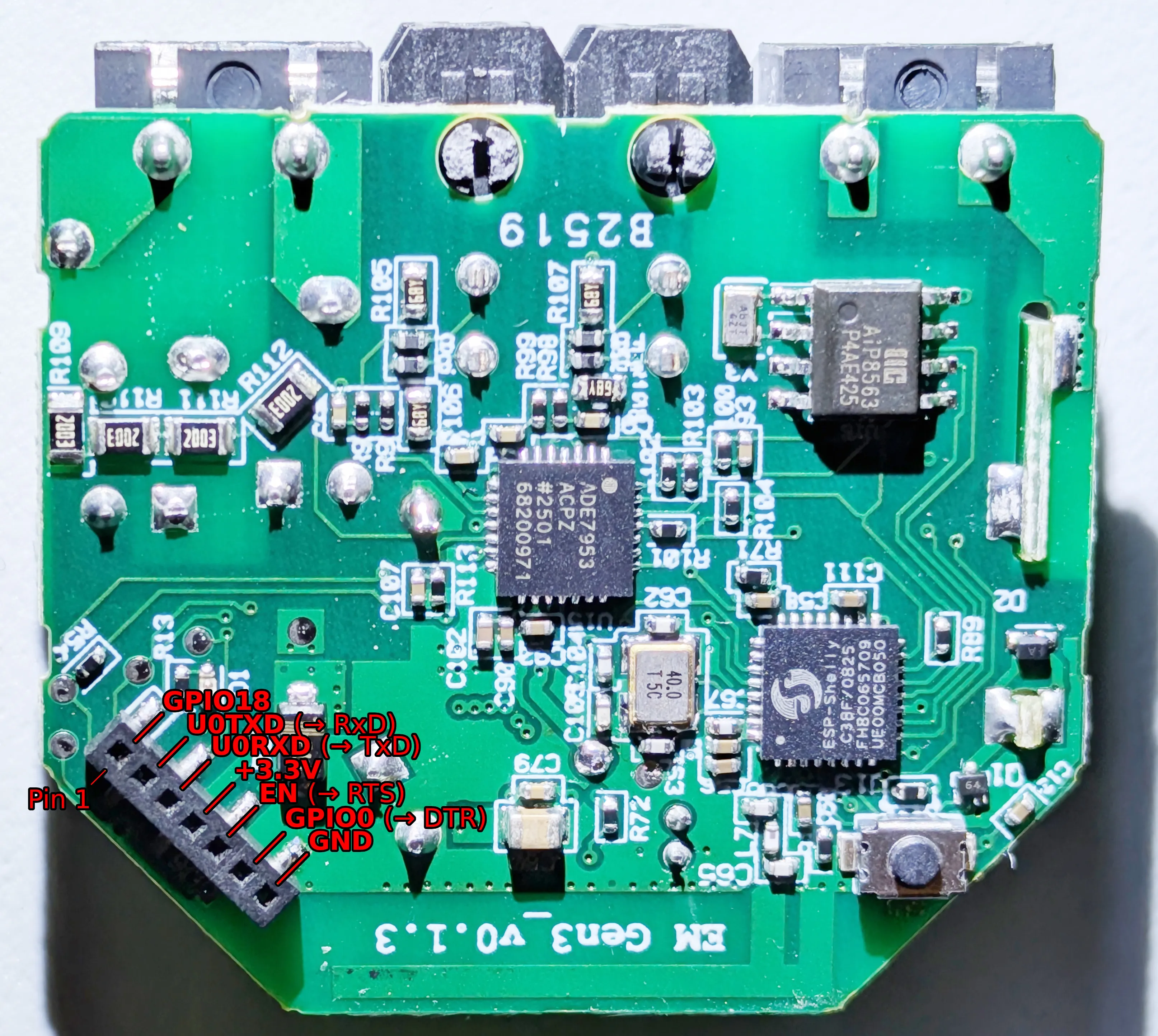
| Pin | Label | Description | GPIO |
|---|---|---|---|
| 1 | ESP_DBG_UART | GPIO18 | |
| 2 | U0TXD | connect to serial RxD pin | GPIO21 |
| 3 | U0RXD | connect to serial TxD pin | GPIO20 |
| 4 | +3.3_ESP | connect to 3.3V power supply | |
| 5 | EN | connect to serial RTS pin | |
| 6 | GPIO0 | connect to serial DTR pin | GPIO0 |
| 7 | GND | connect to serial GND pin |
Programming voltage: 3.3 V (LVTTL) Supply voltage: 3.3 V from external source Note: Whole PCB is live if connected to mains voltage. Programming pins are not isolated. Connect programming port to serial cable only if all other contacts are disconnected.
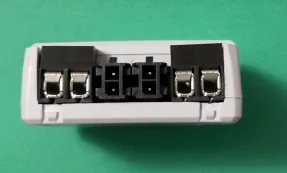
CT connector
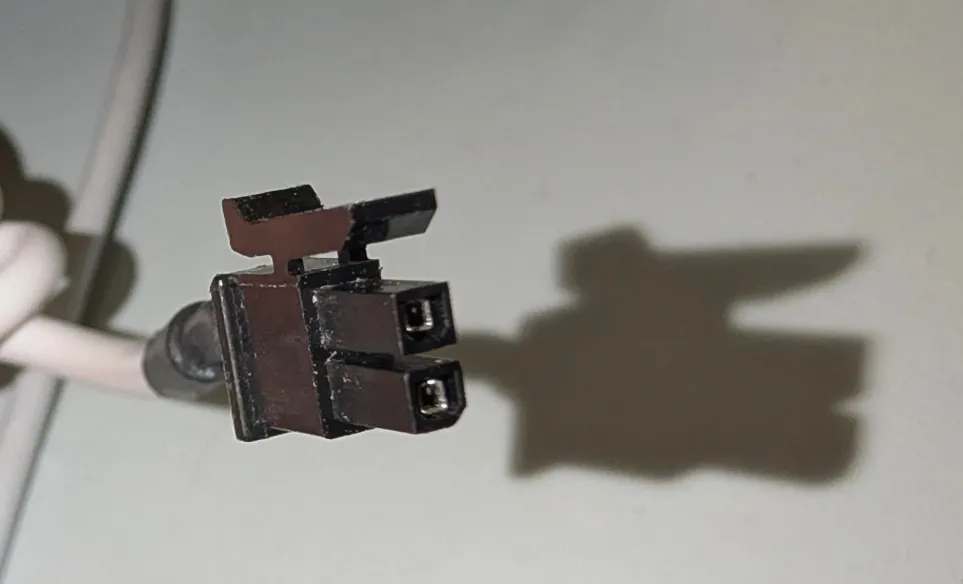
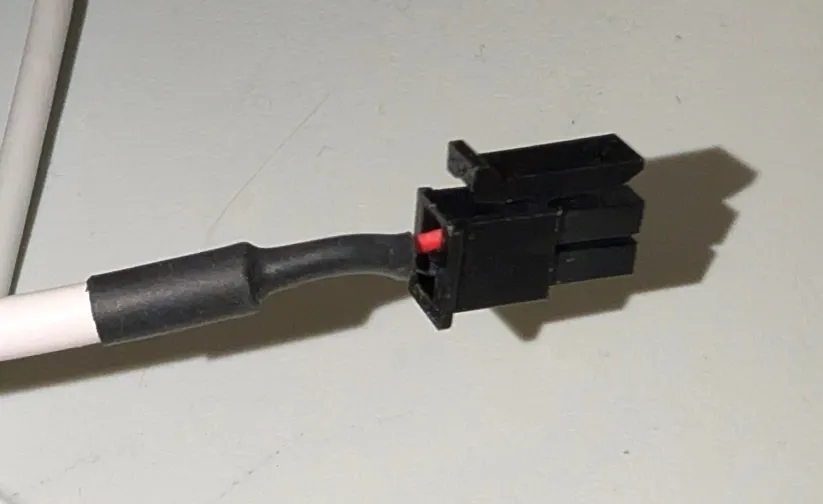
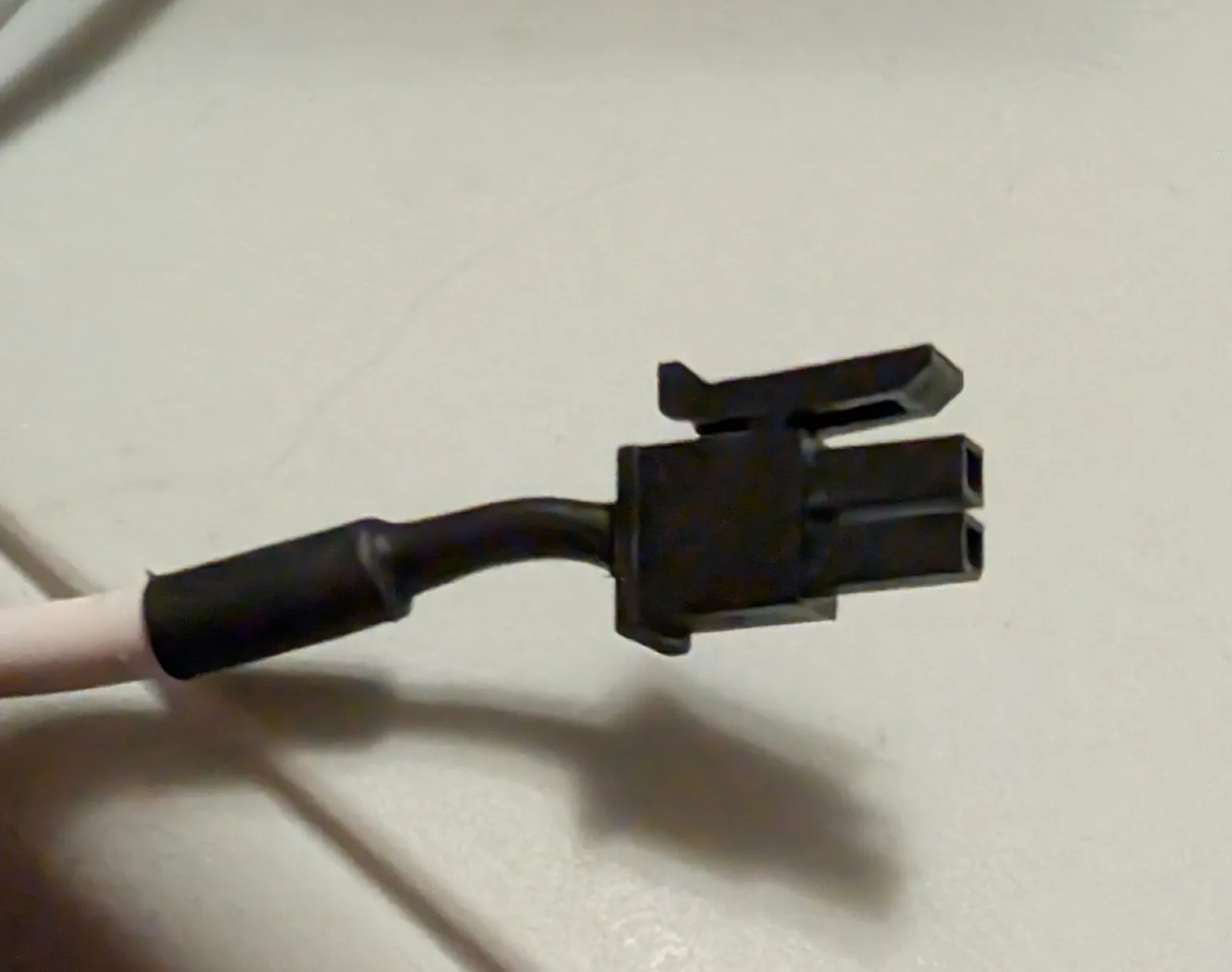
| Type | Description |
|---|---|
| Manufacturer | Molex |
| Series | Micro-Fit 3.0 214755 |
| Pitch | 3.0 mm |
| Number of Positions | 2 |
| Number of Rows | 2 |
Photos
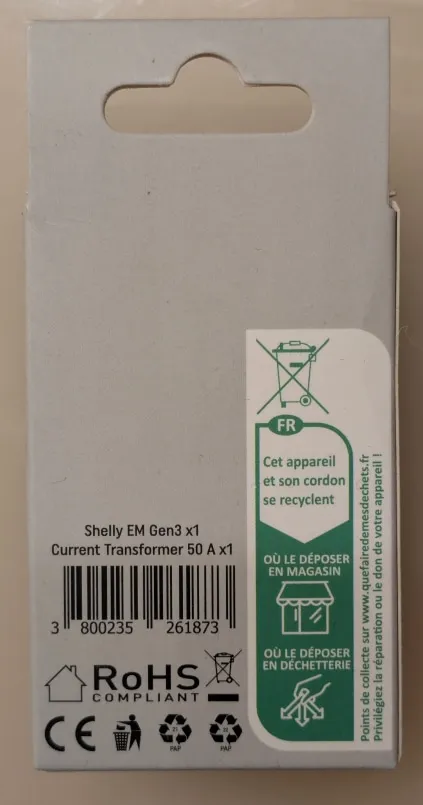
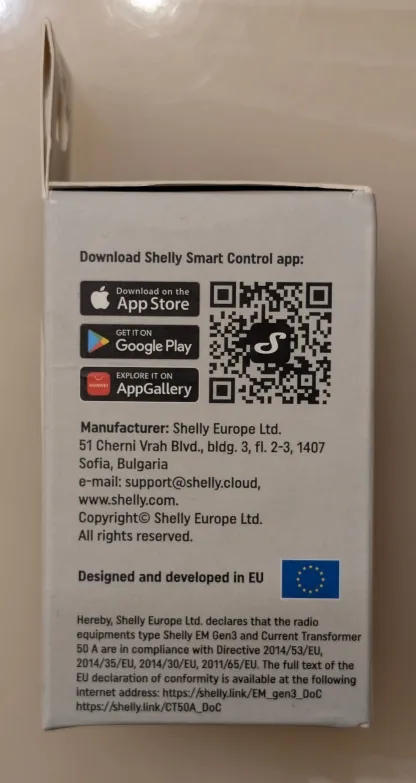
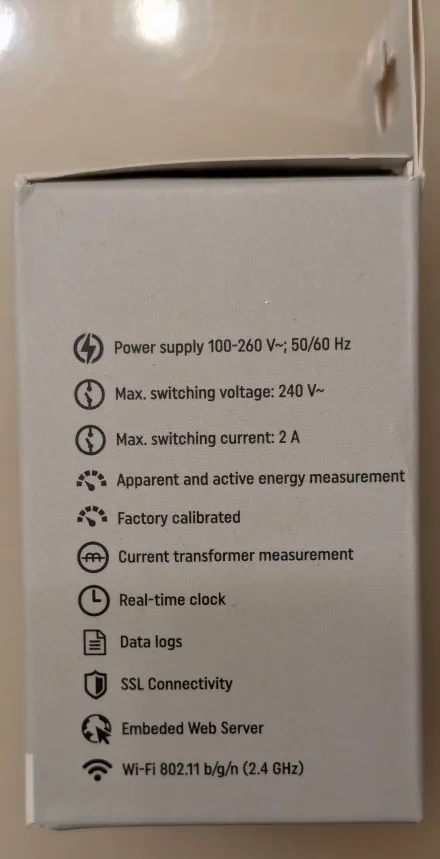
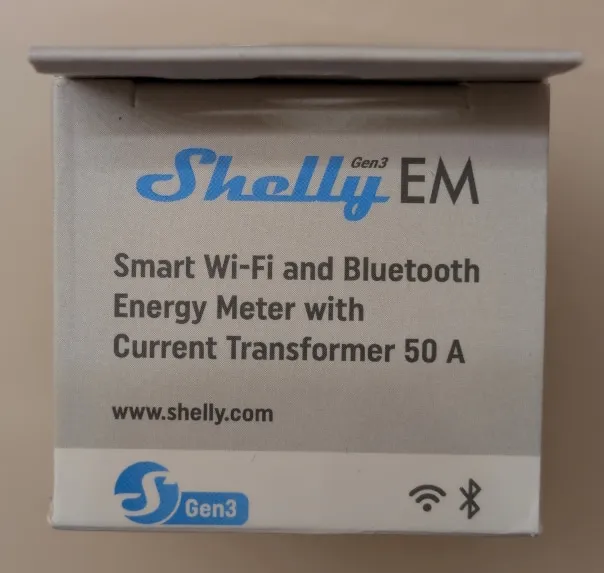
Package photos
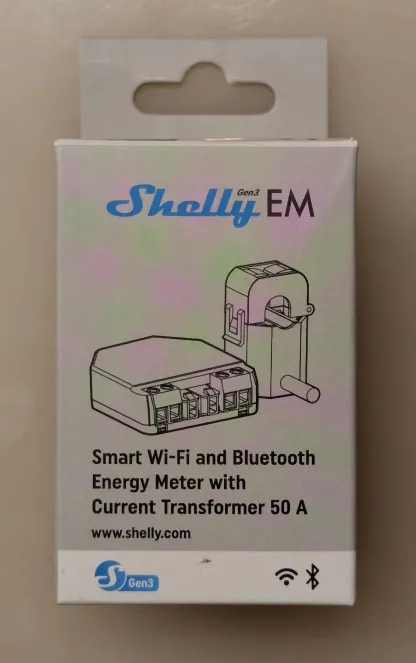
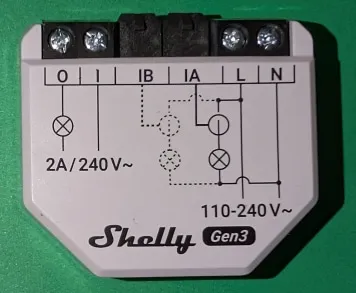
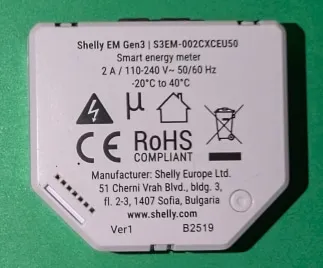
Device photos
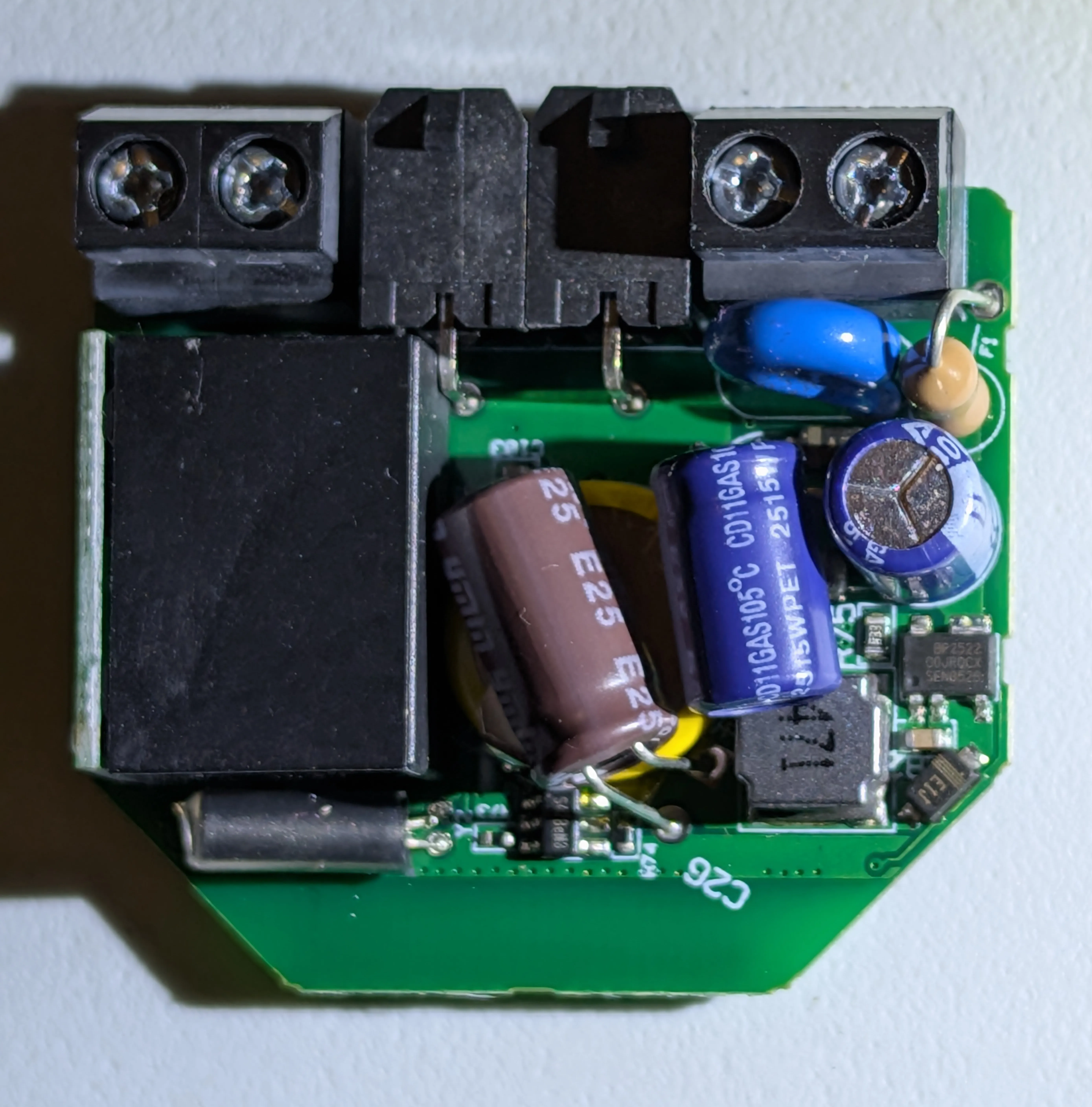
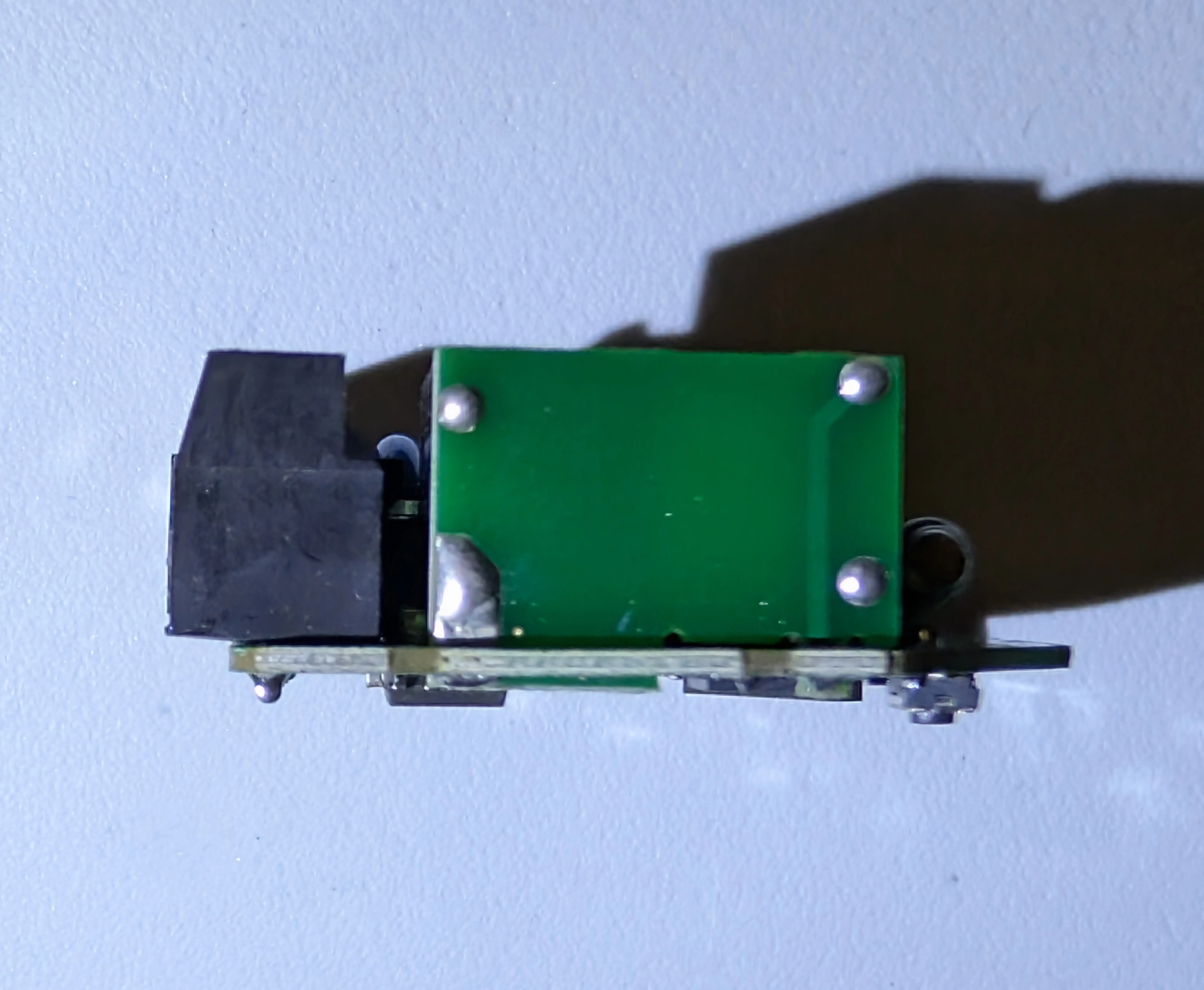
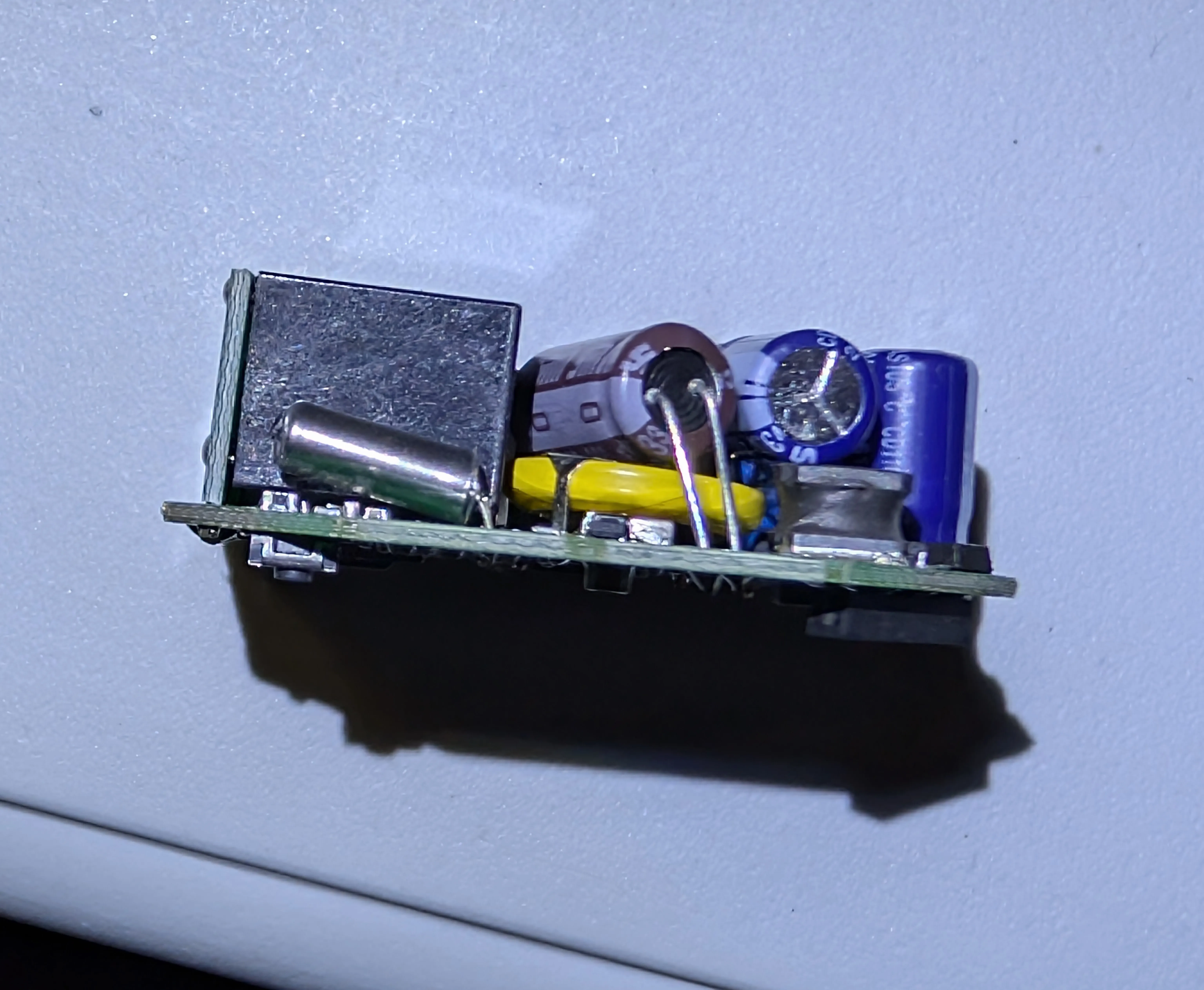
PCB photos